





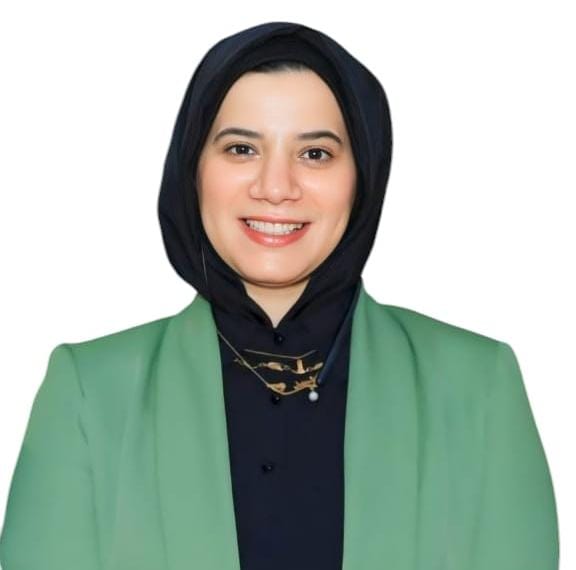
كتب : بقلم: هبه حسن أبوالمجد
ليس الخوف دائمًا علامة ضعف، كما يظن البعض، بل هو في كثير من الأحيان استجابة إنسانية طبيعية لشعور أعمق بالوحدة أو غياب الأمان. فالإنسان بطبيعته يحتاج إلى من يشعره بأنه مسموع، مرئي، ومقبول دون شروط أو أحكام. وعندما يفتقد هذا الشعور، يتسلل الخوف إلى داخله مهما بدا قويا من الخارج.
وجود شخص واحد فقط صادق في حضوره قد يُحدث فارقًا كبيرًا. شخص يستمع دون مقاطعة، يحتوي دون تقليل، ويحترم المشاعر دون سخرية أو إنكار. هذا النوع من الوجود لا يزيل المشكلات، لكنه يخفف من حدتها، ويمنح النفس مساحة للتنفس والتوازن.
وتكمن الخطورة الحقيقية في اللجوء إلى أشخاص غير آمنين نفسيًا؛ أولئك الذين يُقابلون البوح بالأحكام، أو يستغلون الضعف، أو يهوّنون من الألم بعبارات جاهزة. على النقيض تمامًا، فإن “الناس الأمان الصح” هم الذين يحفظون الأسرار، يحترمون الحدود، لا يفرضون آراءهم، ولا يُشعرونك بأن اختلافك عبء أو خطأ. وجودهم يبعث الطمأنينة، لا القلق، ويمنحك الشعور بأنك لست وحدك في المواجهة.
ومن هنا تأتي النصيحة الأهم: عندما يزداد الخوف، لا تكتمه. الحديث مع شخص آمن ليس ضعفًا، بل وعي وشجاعة. فالكلمة قد تكون أول خطوة في طريق التعافي، وطلب الدعم لا ينتقص من القوة، بل يعيد لها توازنها الإنساني.
الأمان النفسي ليس رفاهية، بل حاجة أساسية، والبحث عنه حق مشروع لكل إنسان.
د /هبة ابو المجد
معالج نفسي وسلوك
Rather, it is often a natural human response to a deeper feeling of loneliness or lack of security. By nature, humans need someone who makes them feel heard, seen, and accepted without conditions or judgments. When this sense is missing, fear creeps in, no matter how strong one appears on the outside.
The presence of even a single genuine person can make a significant difference—someone who listens without interrupting, supports without diminishing, and respects emotions without mockery or denial. This type of presence does not eliminate problems, but it reduces their intensity and gives the soul room to breathe and regain balance.
The real danger lies in turning to people who are not emotionally safe—those who respond to openness with judgment, exploit vulnerability, or downplay pain with ready-made phrases. In contrast, “truly safe people” keep secrets, respect boundaries, do not impose their opinions, and never make you feel that your differences are a burden or a mistake. Their presence brings reassurance, not anxiety, and gives you the sense that you are not alone in facing life’s challenges.
From this comes the most important advice: when fear increases, do not suppress it. Talking to a safe person is not weakness, but awareness and courage. Words may be the first step toward healing, and seeking support does not diminish strength—it restores human balance.
Psychological safety is not a luxury—it is a basic need, and seeking it is a legitimate right for every human being.
Psychotherapist and Behavioral Therapist
Dr. Heba Abu
Suez Governorate